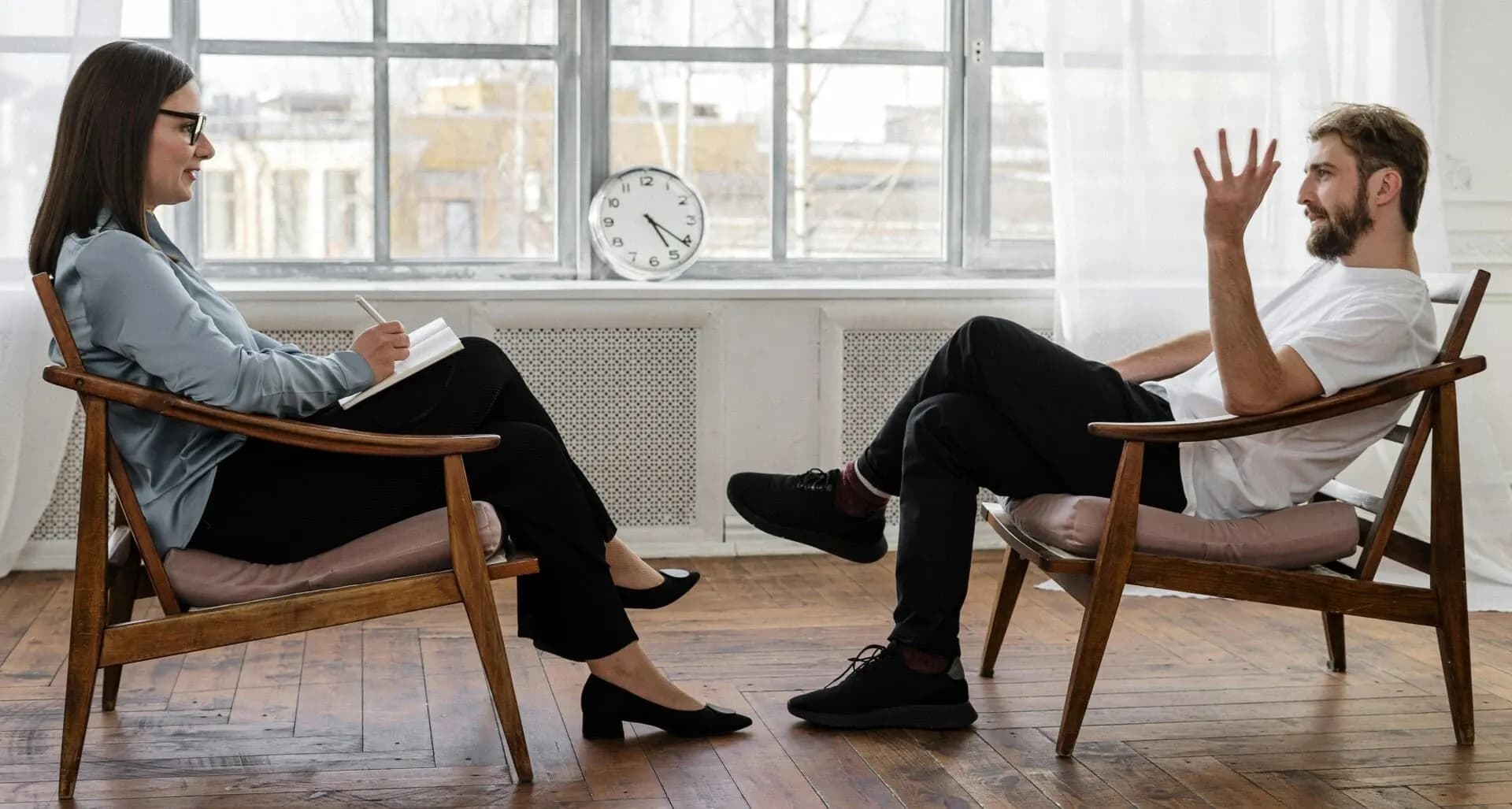
Should we wait for the right moment to get married?
Maybe you're staring at the calendar, circling dates, and whispering to yourself, "Should we wait for the right moment to get married?" You're feeling that tightness in your chest every time someone asks about engagement plans. I get it — the question feels huge and personal and somehow urgent all at once.
Why This Matters — Should we wait for the right moment to get married?
Sometimes the stakes feel enormous because marriage isn't just a party; it's a promise, a plan, a rearrangement of your life. You're weighing money, family, careers, emotions, and a million small signals all at once. It makes sense you feel torn — this is hard, and you're not broken for dreading it.
Here's the thing: the timing question sits on top of other things that often go unnamed. Maybe you're waiting for the right job, or for your partner to feel more certain, or for your savings to look a certain way. But those waiting points usually hide fears — fear of regret, fear of disappointment, fear of being rushed.
What's Really Going On Here
Maybe you're confusing safety with perfection. Waiting for a perfect moment is like trying to hold a paper umbrella in a sudden storm — it looks like protection, but it won't keep you dry forever. What feels like caution is often a mix of worry and the hope that a single moment will solve uncertainty.
Look, here's another way to think of it: timing for a relationship is more like baking bread than catching a train. The ingredients (your values, communication, finances) matter, and so does the heat (stress, external pressures), but there's no perfect second on the clock that guarantees a risen loaf. You test, you adjust, you learn.
Sometimes, the question "Should we wait for the right moment to get married?" becomes a proxy for other doubts you have about the relationship, or even about yourself. You're asking about timing because you don't want to make a mistake — understandable — but the answer usually lives in patterns, not a date.
Does This Sound Familiar?
The Countdown Calendar You have a wall calendar with dates circled and a running tally of which friends will be free when. You feel anxious and responsible for making it all perfect, and instead of excitement there's a low-grade dread that the day will reveal everything that's wrong.
The Late-Night Scroll You lie awake, phone in hand, reading forums and success stories and worry lists. You feel confusion and loneliness, convinced everyone else has found a clean answer, and you end the night with more questions than when you started.
The Quiet Walk Home You and your partner walk in silence after a long day, and a small comment about "not being there yet" hangs between you. You feel a tight sadness and a quiet anger, and you leave the walk with the question of whether you're growing apart or simply tired.
The Question After Work Your partner brings up engagement over dinner when you both are exhausted from work, and you feel irritated and flustered. You sense impatience and embarrassment, and you end the evening wondering whether timing or readiness is the real issue.
Here's What Actually Helps
Clearer conversations about what changes for you
She came in worried that talking would make everything worse. After 15 years of counseling couples I've seen that what helped her was naming two concrete changes she wanted to see in a year, and sharing them one evening without an agenda. That small clarity gave the two of them a hinge for honest follow-up (and reduced the omnipresent guessing).
Less guessing about feelings and more specific notes
What if you stopped trying to read each other's minds and started leaving short notes about how you're doing? Sometimes people assume you should "just know" what the other needs, and that makes everything foggy. Pick one tiny habit — a weekly check-in text or a five-minute midweek chat — and use that to map how you actually feel rather than how you imagine the other person feels.
More confidence in decisions (without waiting for a sign)
Question: Are you waiting for some cosmic green light or wanting a practical roadmap? The answer usually helps. If what you need is confidence, then build confidence by collecting evidence: the everyday ways your partner shows care, how conflicts resolve, and whether you can plan shared money decisions. These little datapoints add up to real information, not mystical timing.
Stronger sense of "we" when pressure comes
Can I be honest? A lot of couples think timing will fix pressure. Here's what I tell clients: pressure shows you what you already have — or don't. After years of working with couples, I've learned that practicing decisions together under low stakes makes you better at big decisions later. What helped one couple was saying yes to a small shared commitment (a joint savings goal) and watching their teamwork improve.
What Therapists Know (That Most People Don't)
Look, waiting often feels like the safer choice, but safety is rarely absolute. You can create safer conditions, though, by testing things out in low-stakes ways and noticing how the two of you handle them.
Here's the thing: perfection is a trap. People imagine a flawless moment will reveal truth. It doesn't. It reveals that you like shiny things and dislike uncertainty. That's okay. That's human.
Maybe you're avoiding asking direct questions because you don't want the answer. That's a normal protective move, but it also keeps you stuck in limbo.
After years of counseling couples, I can say this: most significant relationship questions are answered by patterns, not by a single event. Watch how you disagree. Watch how you comfort each other. Those are the chapters, not the footnotes.
Can I be honest? If you find you can't talk about marriage without turning it into a blame session, that's useful information. It points to a communication issue you can work on.
Maybe your anxiety about timing masks a fear of missing out or of disappointing people. It's fine to care about other opinions — just make sure they don't drive your decision alone.
Look: you don't have to have it all figured out to be ready for commitment. Readiness is messy. It feels like a messy, genuine yes rather than a polished flawless one.
When It's Time to Get Help
If you're nodding at more than one of these scenarios, maybe it's time to bring in someone who can help you sort the noise from the signal. If you're reading this section and nodding, that's your answer.
Maybe you've noticed conversations that loop, or that important topics get avoided until they burst out in frustration. Those are the signals that a neutral third party can help you untangle so your timing decision isn't made out of exhaustion.
What if my partner won't pick a date?
That's a common question. If your partner is reluctant, ask what they're protecting themselves from — fear, money worries, or family stress — and let them name it without pressure. Sometimes their reluctance is a sign you need to slow and gather data; other times it's a pattern of avoidance that therapy can illuminate.
How long does it take to know if we're ready?
There is no fixed clock. Some couples feel confident in months; others need years. Look for trends: do you resolve conflict without lingering resentment? Can you manage money conversations? Do you feel like a team when stress arrives? Those signals often matter more than an arbitrary timeline.
If you're nodding at this paragraph, consider scheduling a session with someone you both trust, or try a structured conversation guide for four weekly talks about money, religion, kids, and roles. Doing it together gives you information. It isn't a test. It's data.
If you're hearing family pressure or a ticking timeline from others, remember that external timelines often reflect someone else's life, not yours. You get to choose what matters here.
FAQ-style questions woven in:
What if I keep thinking about regrets either way?
You're allowed to fear both making a wrong choice and missing out on a right one. Regret is a future emotion you can plan for by asking: what would make me say "I tried my best" later? Sometimes practicing small commitments reduces the fear of irreversibility.
Can waiting ever be the right answer?
Yes. Waiting can buy space to clarify values or stabilize finances. But waiting becomes a problem when it’s used to avoid hard conversations or when it stretches indefinitely. The difference is whether waiting is active (with clear goals) or passive (indefinite and anxiety-producing).
The Bottom Line — Should we wait for the right moment to get married?
Here's the blunt, kind truth: you shouldn't wait for a mythical perfect moment — that won't arrive. But you also shouldn't rush because of pressure. What helps is setting small experiments and agreements that tell you whether you and your partner are ready for long-term commitments.
Maybe start with one concrete thing you can change together this month (a shared budget step, a weekly check-in, or a conversation about values). That will give you evidence about how you act as a team. You're not aiming for perfection. You're aiming for clarity.
Let's be honest: the decision won't be flawless. It will be human. So what's the first small move you can make today to get more information? A short honest text? A ten-minute sit-down? A call to a counselor? Pick something small and doable and notice how it feels.
You're not alone in this. Lots of people ask, "Should we wait for the right moment to get married?" and still find their way forward. The point isn't to find a perfect calendar date; it's to find a pattern of caring, talking, and deciding together. So what's doable today? Take that step. You don't have to figure it all out alone.