
Stepping into a relationship with someone who already has children is a journey of love, patience, and adjustment. You're not just building a connection with your partner; you're becoming part of an existing family system. This new role as a step-parent can be incredibly rewarding, but it often comes with unique challenges. It’s a marathon, not a sprint, and creating a happy, blended family takes time and conscious effort from everyone involved.
Let the Relationship Evolve Naturally
One of the most common mistakes new step-parents make is trying too hard, too soon. You might feel an urge to immediately establish a deep, parental bond, but this pressure can backfire. Children, especially older ones, may see it as an attempt to replace their other biological parent, leading to resistance.
Instead, think of yourself as a new, supportive adult in their life—like a friendly uncle or aunt. Your primary goal is to build trust and friendship. Let the child set the pace.
- Be a Supporter, Not a Replacement: Reassure them, through your actions, that you are not trying to erase their other parent. You are an addition to their life, not a substitution.
- Find Common Ground: Show genuine interest in their hobbies, whether it's cricket, art, or video games. Participate in activities they enjoy without forcing interaction. This creates positive memories and builds a foundation of trust.
- Expect Mixed Feelings: It is completely normal for a child to feel confused, angry, or torn. They might be warm one day and distant the next. This is often a reflection of their own internal struggle with loyalty and change, not a personal rejection of you. Be patient and consistent in your kindness.
Define Your Role with Your Partner
Before you even move in together, or very early in the process, it is crucial to have open and honest conversations with your partner about your role. Unspoken expectations are a recipe for conflict. You both need to be on the same page about parenting, discipline, and household responsibilities.
- The Biological Parent Leads on Discipline: In the beginning, the biological parent should remain the primary disciplinarian. When a new step-parent immediately lays down the law, it can create resentment and position them as an outsider or an antagonist. Your role is to support the rules your partner has set, not to be the primary enforcer.
- Present a United Front: Discuss rules, chores, and consequences in private. Once you've agreed, present these decisions to the children as a team. Children are smart; they will quickly learn to pit you against each other if they sense a crack in your united front.
- Carve Out Your Unique Space: While you may not be the disciplinarian, you can be the homework helper, the board game champion, or the person they talk to about movies. Your relationship will have its own unique flavour. Discuss with your partner how you can contribute positively without overstepping.
Navigating the Wider Family System
A blended family doesn't exist in a vacuum. There's another parent, and often two sets of grandparents, aunts, and uncles. Navigating these existing relationships requires grace and clear boundaries.
- Respect the Other Parent: Never speak negatively about your partner's ex in front of the children. This puts them in an impossibly difficult position and can damage their emotional well-being and your relationship with them. Your goal should be, at a minimum, a cordial and respectful dynamic focused on the child's best interests.
- Let Your Partner Manage Communication: Your partner should be the primary point of contact with their ex-partner regarding co-parenting matters like schedules, school events, and health issues. Getting caught in the middle of their dynamic is rarely productive.
- Give Extended Family Time: Grandparents and other relatives also have long-standing relationships and loyalties. They may need time to adjust to you and this new family structure. Be patient, be yourself, and allow those relationships to develop over time.
Frequently Asked Questions
What do I do if my stepchild says, "You're not my real dad/mom!"?
This is a common and hurtful statement, but it's important not to react defensively. Calmly and kindly agree with them. You can say something like, "You're right, I'm not. Your mom/dad is [Parent's Name], and I would never try to replace them. I'm [Your Name], and I'm part of this family now and I care about you a lot." This validates their feelings and clarifies your role.
How much say should I have in financial decisions for the kids?
This is a critical conversation to have with your partner. It depends on how you've decided to merge your finances as a couple. Some couples pool all resources, while others keep things separate. Be clear about contributions for school fees, holidays, and daily expenses. The key is transparency and reaching a mutual agreement that feels fair to both of you.
When should we seek professional help?
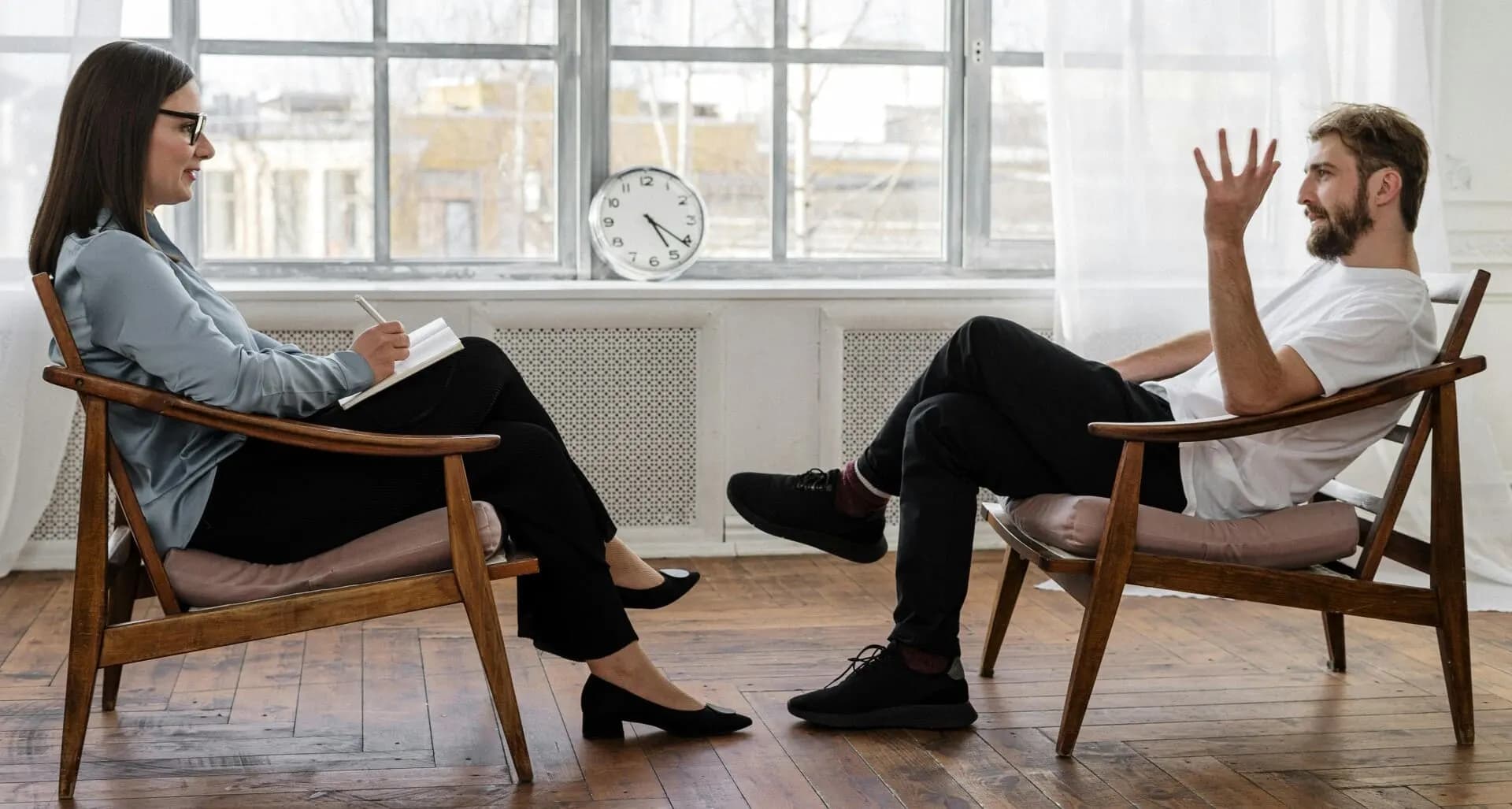
If you and your partner are constantly arguing about the children, if a child is showing significant behavioural issues, or if conflict with an ex-partner is creating constant stress at home, it may be time to speak with a counsellor. A neutral third party can help you develop communication strategies and find common ground. Sometimes, individual therapy for the child or in-person family therapy might be more appropriate, especially for younger children.
Building a blended family is a complex but beautiful process. It requires empathy, communication, and a willingness to let go of the idea of a 'perfect' family. Every small step of connection is a victory. Remember to celebrate the progress and give yourself and everyone else the grace to learn as you go.
If you and your partner are navigating the complexities of a blended family and need a space to talk through your new roles, our counsellors at DilTalks are here to help. Explore professional guidance to build a stronger foundation for your new life together.
