
The invitations are out, the venue is booked, and the final countdown to your wedding has begun. This should be one of the most exciting times of your life, but instead of pure joy, you’re feeling a knot of anxiety in your stomach. Doubts and worries are clouding your mind. This experience, often called 'cold feet,' is incredibly common. But in the midst of family expectations and social pressure, it can be terrifying to ask the most important question: are these just normal nerves, or is this a genuine warning sign that something is wrong?
What Normal Pre-Wedding Nerves Look Like
Getting married is a monumental life decision. It’s completely normal to feel overwhelmed by the scale of the commitment you’re about to make. Pre-wedding jitters are usually about the change itself, not necessarily about the person you’re marrying.
Here are some common, normal anxieties:
- Fear of the Unknown: You are closing one chapter of your life and starting a new one. Questions like "Will I be a good spouse?" or "How will our lives change?" are natural. You’re mourning the end of your single life, and that’s okay.
- The Stress of the Wedding: Indian weddings are often huge, family-driven events. The financial strain, planning logistics, and pressure to have a 'perfect' day can cause immense stress that easily gets mistaken for doubts about the relationship itself.
- Performance Anxiety: You’re about to be the centre of attention. Worries about the ceremony, your vows, or family dynamics are stressful but typically not a reflection of your commitment to your partner.
- 'What If' Scenarios: A fleeting thought about an old flame or wondering what life would be like on a different path is a form of 'fear of missing out' (FOMO). It doesn't mean you've made the wrong choice; it just means you're human and are contemplating the finality of your decision.
If your worries are centred on the event, the future in general, or the stress of the transition, you are likely experiencing normal cold feet.
When Doubts Are a Deeper Warning
Unlike general anxiety, a real warning sign is specific and often focuses on your partner or the fundamental dynamics of your relationship. These feelings are persistent and tend to grow stronger as the wedding approaches, rather than fading away. Pay close attention if you recognise these patterns:
- You're Afraid of Your Partner: This is the most serious red flag. If you find yourself walking on eggshells, scared to bring up certain topics, or worried about their anger or disapproval, this is not a healthy foundation for a marriage. This includes feeling consistently belittled, controlled, or dismissed.
- There Are Major Unresolved Issues: Are you hoping marriage will magically fix fundamental disagreements about money, career goals, where to live, or whether to have children? Marriage amplifies existing problems; it doesn't solve them. If you can't even discuss these topics openly, it’s a major concern.
- You're Hiding Your True Self: Do you feel like you have to perform or pretend to be someone you’re not to keep your partner happy? A lasting partnership should be built on mutual acceptance, not on one person shrinking themselves to fit.
- You Feel Pressured into It: In India, the pressure from family and society to get married can be immense. Be honest with yourself. Are you getting married because you truly want to build a life with this person, or are you doing it to please your parents, avoid gossip, or simply because it feels like the 'next logical step'? Your reason for marrying should be your partner, not external expectations.
A Note on Safety: If your doubts stem from feeling unsafe, controlled, or threatened by your partner, this goes far beyond 'cold feet.' These are signs of emotional or potential physical abuse. Please consider reaching out to a domestic violence helpline or local authorities for confidential support. Your safety is the top priority.
What to Do With These Feelings
Ignoring your feelings, whether they are simple nerves or serious red flags, is never the answer. The weeks before your wedding are a crucial time to address them.
If it sounds like jitters:
- Talk to your partner. Share your anxieties about the wedding planning or the future. Saying, "I'm feeling a bit overwhelmed by everything," can open up a supportive conversation. Hearing their own nerves can be incredibly reassuring.
- Practice self-care. Wedding planning can be all-consuming. Make sure you’re sleeping, eating well, and taking time for activities you enjoy, both with and without your partner.
- Talk to trusted friends or family. Speaking with someone who is happily married can help normalise your feelings and provide perspective.
If it sounds like a warning sign:
- Do not proceed without addressing it. The social and financial cost of postponing a wedding can feel huge, but it is nothing compared to the emotional cost of entering an unhappy or unsafe marriage.
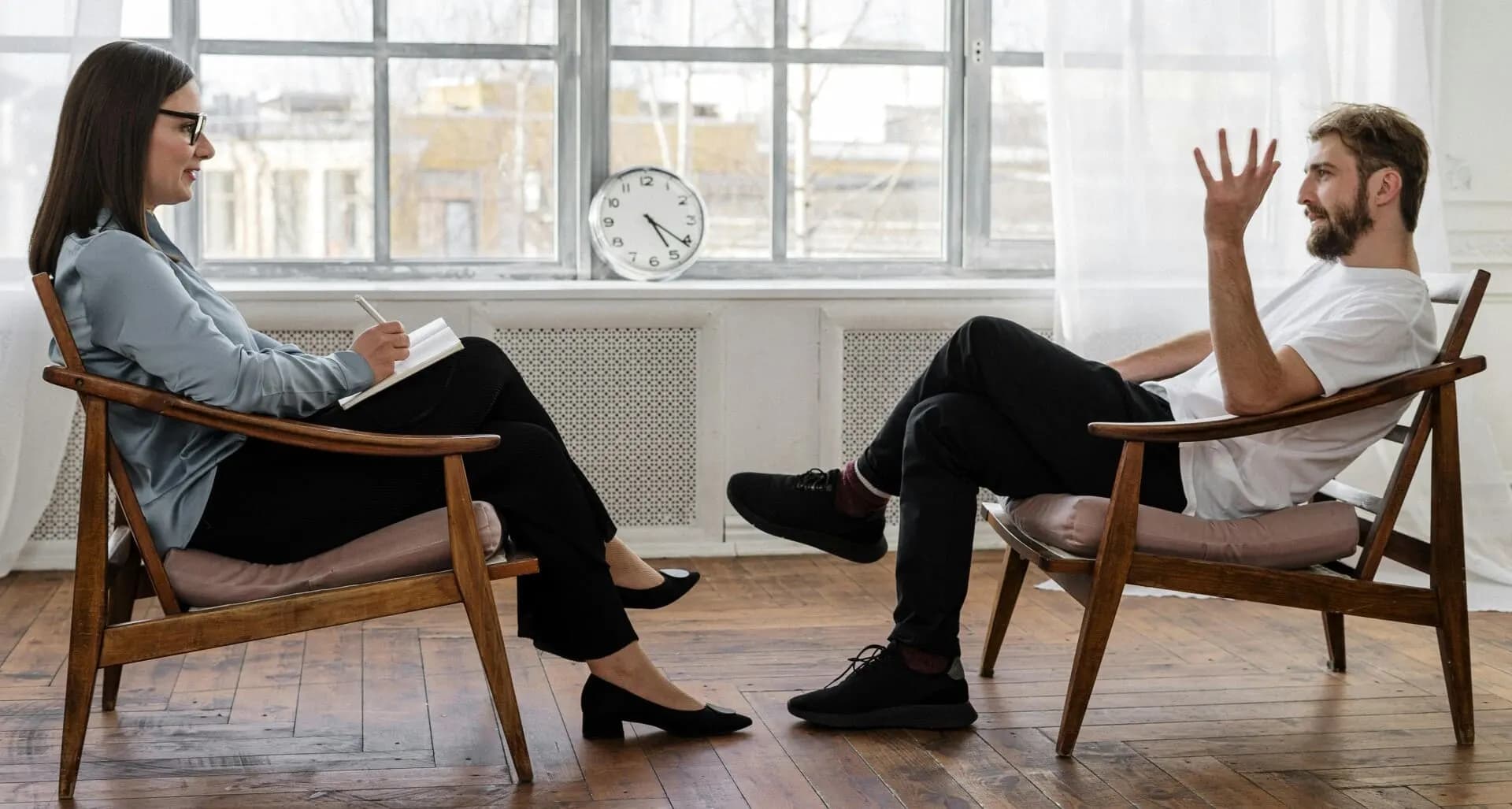
- Seek professional guidance. This is where premarital counselling is invaluable. A neutral, trained counsellor can provide a safe space for you and your partner to discuss difficult topics, improve communication, and gain clarity. It’s not about finding someone to blame; it’s about understanding if your issues are resolvable and building a healthier foundation if you do decide to move forward.
Frequently Asked Questions
Is it a bad sign that I'm not feeling 100% excited all the time? Not at all. It's a huge life change, and it's perfectly normal to feel a mix of emotions, including excitement, stress, sadness for the life you're leaving behind, and anxiety about the future. Pure, uninterrupted excitement is rare.
What if my family says these doubts are normal and I should just get on with it? While family means well, they are not inside your relationship. In our culture, there's often a push to maintain harmony and proceed with plans. You must gently but firmly honour your own feelings. Only you know the difference between a small doubt and a deep-seated problem. Your long-term happiness is more important than short-term family approval.
My partner refuses to consider counselling. What now? This can be a difficult situation. Their refusal to work on the relationship, especially when you've expressed serious concerns, is itself a piece of important information. You can still seek counselling for yourself to gain clarity and decide on your next steps. A counsellor can help you navigate this challenge.
Can we do premarital counselling even if we don't have a "big" problem? Absolutely. Think of it as a health check-up for your relationship. Many couples use it proactively to learn communication skills, align on expectations for married life, and build a strong foundation before any major issues arise. It's a sign of strength, not weakness.
Your feelings are valid, and they deserve to be explored, not dismissed. The period before your wedding isn't just a race to the finish line; it's your final opportunity to ensure you are stepping into a future that is healthy, supportive, and right for you. Listening to your intuition now is one of the greatest gifts you can give your future self.
If you need a confidential space to explore these feelings with your partner, or even by yourself, a trained counsellor can help. Learn more about how DilTalks can support you with pre-marriage guidance.
