
How do I convince my gay partner that we are ready for marriage?
Wanting to marry the person you love is a profound, exciting step. But when you feel ready and your partner doesn't, it can be confusing and disheartening. This gap in readiness is a common challenge for all couples, but for same-sex couples in India, it can be layered with unique societal and personal pressures. The goal isn't to 'convince' your partner, but to understand their perspective and navigate this conversation as a team.
First, Seek to Understand, Not to Persuade
Before you can move forward together, you need to understand the root of your partner's hesitation. It might have less to do with you or the relationship than you think. Pushing for your own desired outcome without first listening can create distance. Consider if their reluctance stems from one of these common areas:
- Societal and Family Pressure: Even with the decriminalization of Section 377, deep-seated stigma persists. Your partner may fear rejection from their family, discrimination at work, or social ostracism. This is a heavy burden and a valid reason for caution.
- The Meaning of Marriage Without Legal Recognition: They might be questioning the practical value of a marriage that isn't legally recognized by the state. For them, the emotional and symbolic act might feel incomplete without the legal protections it offers other couples.
- Personal Timing and Past Experiences: Their hesitation might be purely personal. They may not feel financially stable, emotionally ready for such a deep commitment, or they may be carrying fears from previous relationships. This is about their individual journey, not a rejection of yours.
- Fear of Change: A committed relationship is wonderful, but marriage can feel like a fundamental, and sometimes scary, change to the dynamic that you currently enjoy.
Redefining Marriage and Commitment Together
Since same-sex marriage lacks a legal framework in India, you have a unique opportunity to define what it means for you. This can be an empowering process that shifts the conversation from a simple 'yes' or 'no' to a collaborative exploration of your future.
Start by asking open-ended questions:
- "When you imagine our future, what does it look like?"
- "What does the word 'marriage' mean to you, separate from any legal definition?"
- "What are your biggest fears about making a more formal commitment to each other?"
By discussing these points, you might find that you both want the same things—lifelong partnership, mutual support, a shared life—but are using different words for it. Perhaps a formal wedding feels like too much pressure, but a private commitment ceremony, exchanging rings, or another symbolic act feels right. The key is to find the form of commitment that honours both of your feelings and needs.
Navigating the Legal and Social Realities in India
It's important to have an honest conversation about the current legal situation. In 2018, the Supreme Court's Navtej Singh Johar ruling decriminalized consensual same-sex relationships, a landmark victory for LGBTQ+ rights. However, in the 2023 Supriyo v. Union of India case, the Supreme Court declined to grant legal recognition to same-sex marriage, leaving the decision to Parliament.
This means that as of now, a same-sex marriage does not grant the legal rights and protections automatically given to heterosexual couples, such as those related to inheritance, insurance, medical decision-making, and adoption. This reality may be a significant part of your partner's hesitation. Acknowledging this shows that you see the full picture. Exploring alternatives, like legal agreements or nominations where possible, can be a practical way to build a secure future together, even without a marriage certificate.
This information is for general context and does not constitute legal advice. For guidance on your specific situation, it is best to consult a legal professional.
How Professional Counselling Can Help
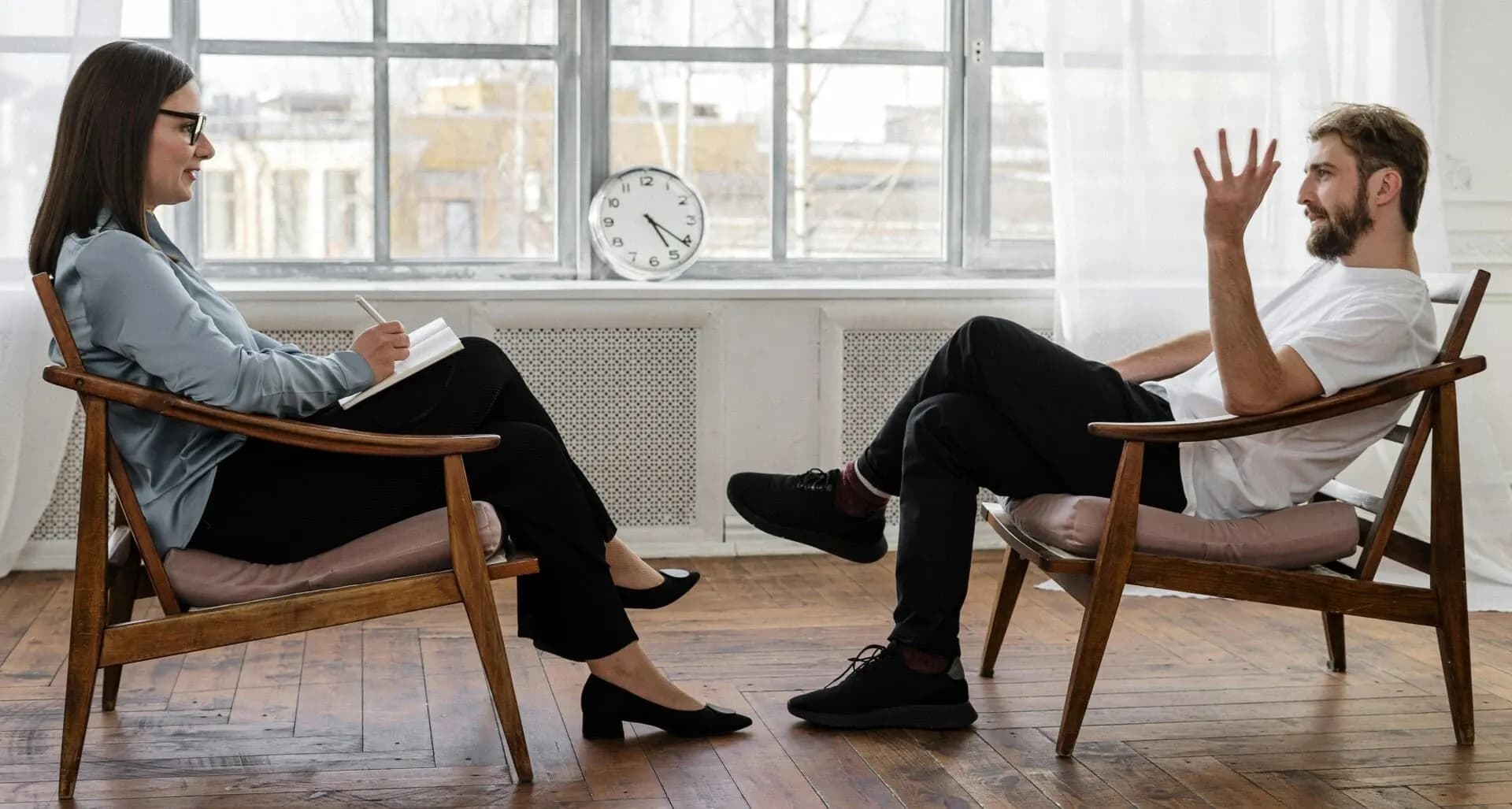
If your conversations feel stuck or emotionally charged, bringing in a neutral third party can be incredibly helpful. A relationship counsellor doesn't take sides or decide who is 'right.' Instead, they provide a safe, structured environment for both of you to express yourselves honestly.
Counselling can help you:
- Improve Communication: Learn tools to discuss sensitive topics without escalating into an argument.
- Uncover Deeper Issues: A counsellor can help identify underlying fears or assumptions that you might not even be aware of.
- Build a Shared Vision: Work together to create a roadmap for your future that feels authentic and secure for both partners.
A quick but important note: DilTalks is a platform for relationship counselling and is not a crisis intervention service. If you or your partner are facing immediate threats, abuse, or a mental health emergency, please contact local emergency services or a dedicated crisis helpline.
Frequently Asked Questions
What if my partner's family is the main reason for their hesitation? This is a very common and difficult situation. The focus should be on supporting your partner. You can't change their family, but you can face the challenge as a united front. A counsellor can help you develop strategies for setting boundaries with family and reinforce your strength as a couple.
Is a commitment ceremony even meaningful without legal status? Absolutely. The meaning of a ceremony comes from the commitment you make to each other and the community of friends and loved ones who witness it. For many couples, it is a powerful and essential declaration of their bond, completely separate from government recognition.
My partner says they love me but just doesn't believe in the institution of marriage. What now? This is a fundamental difference in values that needs careful exploration. It's important to understand why they feel this way. Is it about the patriarchal history of the institution, or a fear of the expectations that come with it? A conversation, possibly with a counsellor, can help you determine if you can find a form of lifelong commitment that works for you both, or if your core desires for the future are incompatible.
How can I suggest counselling without making my partner feel blamed? Frame it as a positive step for your relationship's health. You could say something like, "I think it would be really helpful for us to have a dedicated space to talk through this big life decision with some guidance. It's not about fixing a problem, but about making sure we build the strongest possible future together."
Moving Forward, Together
Ultimately, a healthy, lasting partnership is built on mutual respect, understanding, and shared dreams. Shifting your mindset from 'convincing' your partner to 'collaborating' with them is the most important step you can take. These conversations are challenging, but they are the foundation of a strong future.
If you and your partner are navigating this important life decision, speaking with a professional can provide the clarity and support you need. Explore our confidential love and relationship counselling sessions to find a way forward, together.
