
I Love Them, But I'm Scared of Commitment — What's Actually Going On
Loving someone and feeling afraid to commit to them can coexist without one cancelling out the other. The fear usually isn't a verdict on the relationship — it's often about something else entirely: past experience, timing, or what commitment represents to you personally.
Where Commitment Fear Usually Comes From
Past experiences. A previous relationship that ended badly, or growing up around an unstable or painful marriage, can make commitment feel inherently risky, regardless of how healthy the current relationship actually is.
Fear of losing yourself. For some people, commitment feels like it threatens independence or identity, even with a partner who has never actually asked them to shrink.
Timing, not the person. Sometimes the fear is less about this relationship and more about not feeling ready for what commitment currently represents — a big life step, not necessarily the wrong partner.
Fear of being truly seen. Long-term commitment means being known more completely, which can be frightening if you're used to relationships staying at a safer distance.
How to Tell the Difference Between Fear and a Real Mismatch
Ask yourself: does the fear show up mainly around the idea of commitment itself, or is it tied to specific, real concerns about this particular relationship? Fear that shows up regardless of who the partner is often points to something personal to work through. Concerns specific to this relationship — recurring conflict, mismatched values, feeling unsafe — are worth taking seriously as information, not just anxiety to push past.
What Helps
Name the fear out loud, to yourself first. Getting specific — "I'm afraid commitment means losing my independence" — is more useful than a vague sense of dread.
Talk to your partner about the fear, not just the hesitation. "I love you and I'm scared of what commitment means" is a very different conversation than silence or mixed signals, and most partners respond better to honesty than to unexplained distance.
Separate the decision from the fear. You can acknowledge the fear is real without letting it automatically make the decision for you.
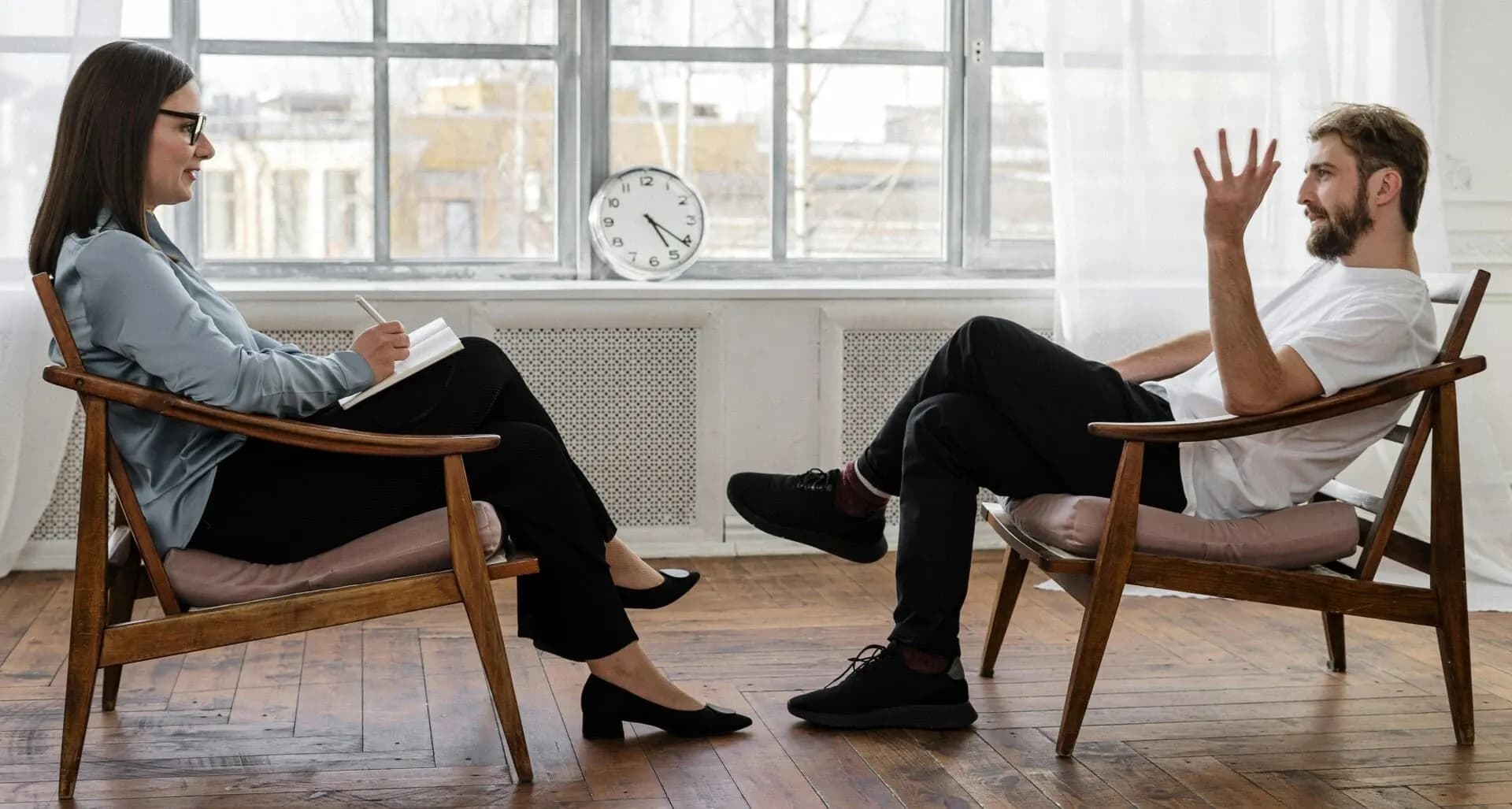
Get support if the fear feels bigger than you can work through alone, especially if it traces back to past experiences that still feel unresolved.
If Your Partner Is Pressuring You for Commitment
Fear of commitment gets a lot harder to sit with when a partner is actively pushing for an answer. It helps to separate what you're being asked ("are we getting married or not") from how you're being asked (an ultimatum vs. a genuine check-in). A partner who's anxious about the relationship's direction isn't necessarily wrong to ask — but pressure doesn't make fear resolve any faster, and a decision made mainly to end the pressure tends to be shakier than one made on your own timeline.
If you're not ready to give an answer, saying so honestly — "I take this seriously and I'm not there yet, here's what's actually going on for me" — usually goes further than avoiding the conversation, even if it's not the answer your partner wants to hear immediately.
Fear vs. a Genuine Red Flag
Not all hesitation is "just" fear to work through — some of it is useful information. Fear rooted in your own history tends to follow you into most serious relationships, regardless of partner. A red flag tends to be specific to this relationship: recurring dishonesty, feeling controlled, values that don't actually align on things that matter to you (kids, money, how conflict gets handled), or a partner who reacts to your hesitation with anger rather than curiosity.
If you're not sure which one you're dealing with, it can help to ask: would I feel this same fear with almost anyone I got serious with, or is it specifically this relationship raising real doubts? The former is usually worth working through; the latter is worth taking seriously rather than pushing past.
Frequently Asked Questions
Does being scared of commitment mean I don't really love my partner? No — fear and love aren't mutually exclusive. Many people feel real love alongside real fear, especially if past experiences have made commitment feel risky.
How do I know if it's fear or if this relationship actually isn't right? Fear that would show up with almost any partner usually points to something personal. Concerns specific to this relationship and this person are worth examining honestly rather than dismissing as "just fear."
Should I tell my partner I'm scared, or will that push them away? Most partners respond better to honesty about fear than to unexplained hesitation or distance — it gives them something to understand and respond to.
When is this worth bringing to a counsellor? If the fear feels rooted in past experiences you haven't fully processed, or it's creating real strain in the relationship, working through it with support can help you make a clearer decision either way.
If commitment fear is something you want to work through, love & relationship counselling with DilTalks can help.
