
Relationship Anxiety: Signs You're Experiencing It and How to Cope
You check your partner's messages not because you don't trust them, but because the waiting feels unbearable. You replay a slightly-off tone of voice from hours ago. You feel a low hum of dread even when nothing is actually wrong. That's relationship anxiety — and it's more common, and more treatable, than most people realize.
Signs You Might Be Dealing With It
- Needing frequent reassurance that your partner still loves you, even when they've given no reason to doubt it
- Reading too much into delayed replies, short answers, or a neutral tone
- Feeling anxious after good moments, waiting for something to go wrong
- Avoiding conflict entirely because disagreement feels like a threat to the relationship itself
- Difficulty enjoying the relationship in the present because you're preoccupied with whether it will last
What Actually Drives It
Relationship anxiety usually isn't really about your current partner — it's often rooted in earlier experiences: an anxious attachment style formed in childhood, a past relationship that ended in betrayal or abandonment, or a pattern of unpredictable caregiving early on. The nervous system learns to stay on alert, and it doesn't automatically know the current relationship is different from what came before.
What Helps
Name it as anxiety, not evidence. The feeling of dread doesn't mean something is actually wrong — noticing "this is my anxiety talking" creates a small but useful gap between the feeling and your reaction to it.
Communicate the need directly instead of testing it. Instead of going quiet to see if your partner notices, try saying plainly: "I'm feeling anxious right now and could use a small reassurance." Most partners respond far better to a direct ask than to being tested.
Build a life outside the relationship. Anxiety often intensifies when a relationship becomes someone's only source of stability. Friendships, hobbies, and personal goals reduce how much weight any single relationship has to carry.
Notice your own patterns before reacting. If you can identify your specific triggers — silence, a certain tone, a cancelled plan — you can catch the anxious spiral earlier, before it turns into an accusation or a withdrawal.
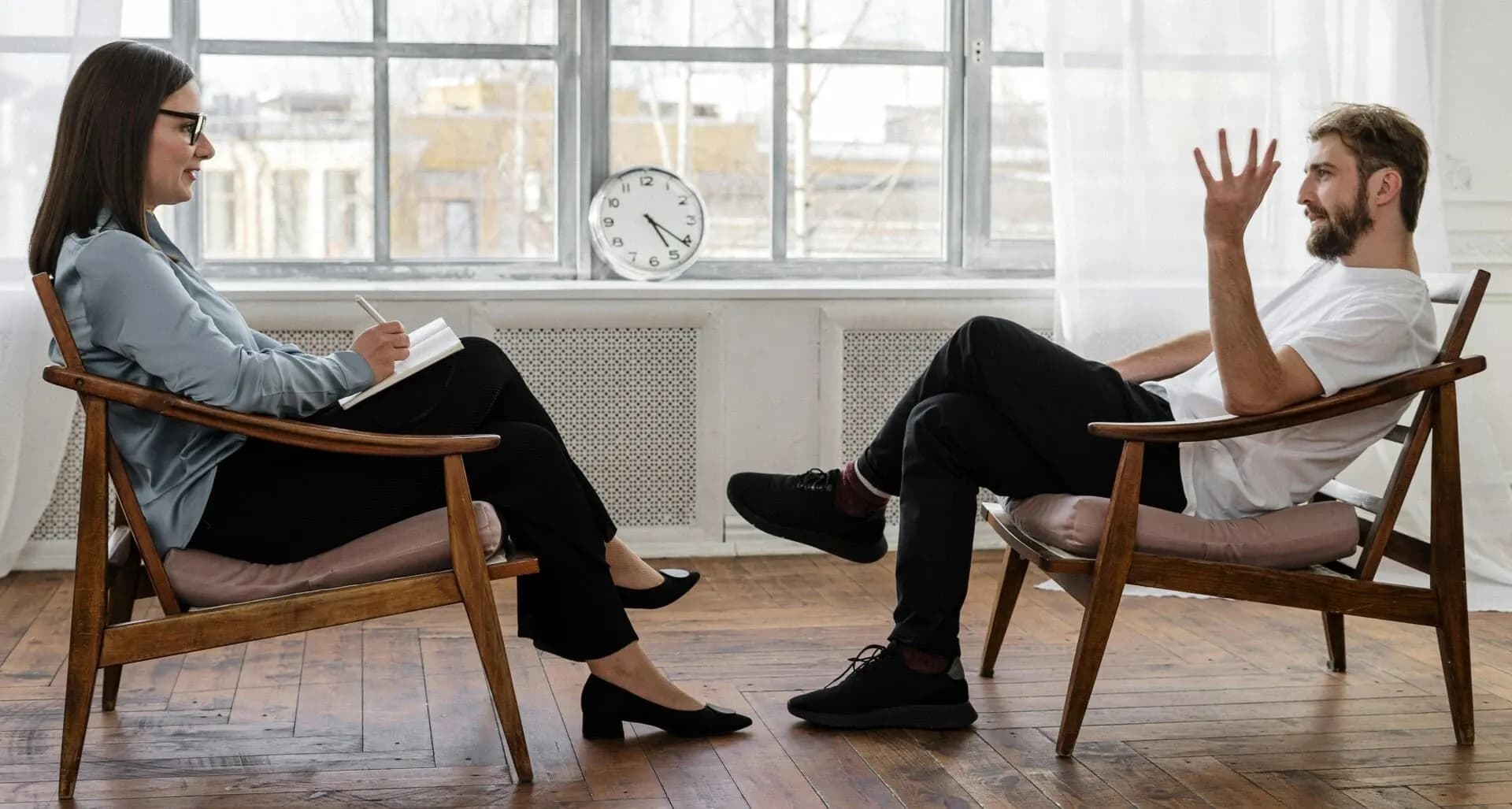
Get support if it's not improving on its own. Persistent relationship anxiety, especially if it's affecting your relationship or your day-to-day wellbeing, is something a counsellor can help you work through — including where it originally comes from.
Frequently Asked Questions
Is relationship anxiety the same as jealousy? Not quite — jealousy is usually about a specific perceived threat, while relationship anxiety is often a more constant, low-level fear that isn't tied to any one incident.
Can my partner do anything to help? Yes — consistency and direct reassurance help, but the deeper work usually has to happen with the anxious partner, since the anxiety is rooted in you, not caused by them.
Does relationship anxiety mean the relationship is wrong for me? Not necessarily. It's worth distinguishing anxiety (a pattern you bring in) from genuine red flags in the relationship itself — a counsellor can help you tell the difference.
When should I see a counsellor about this? If the anxiety is frequent, hard to manage on your own, or straining the relationship, that's a good time to bring in outside support rather than trying to manage it alone indefinitely.
If relationship anxiety is affecting how you connect with your partner, DilTalks connects you with a licensed counsellor who can help you work through it.
