
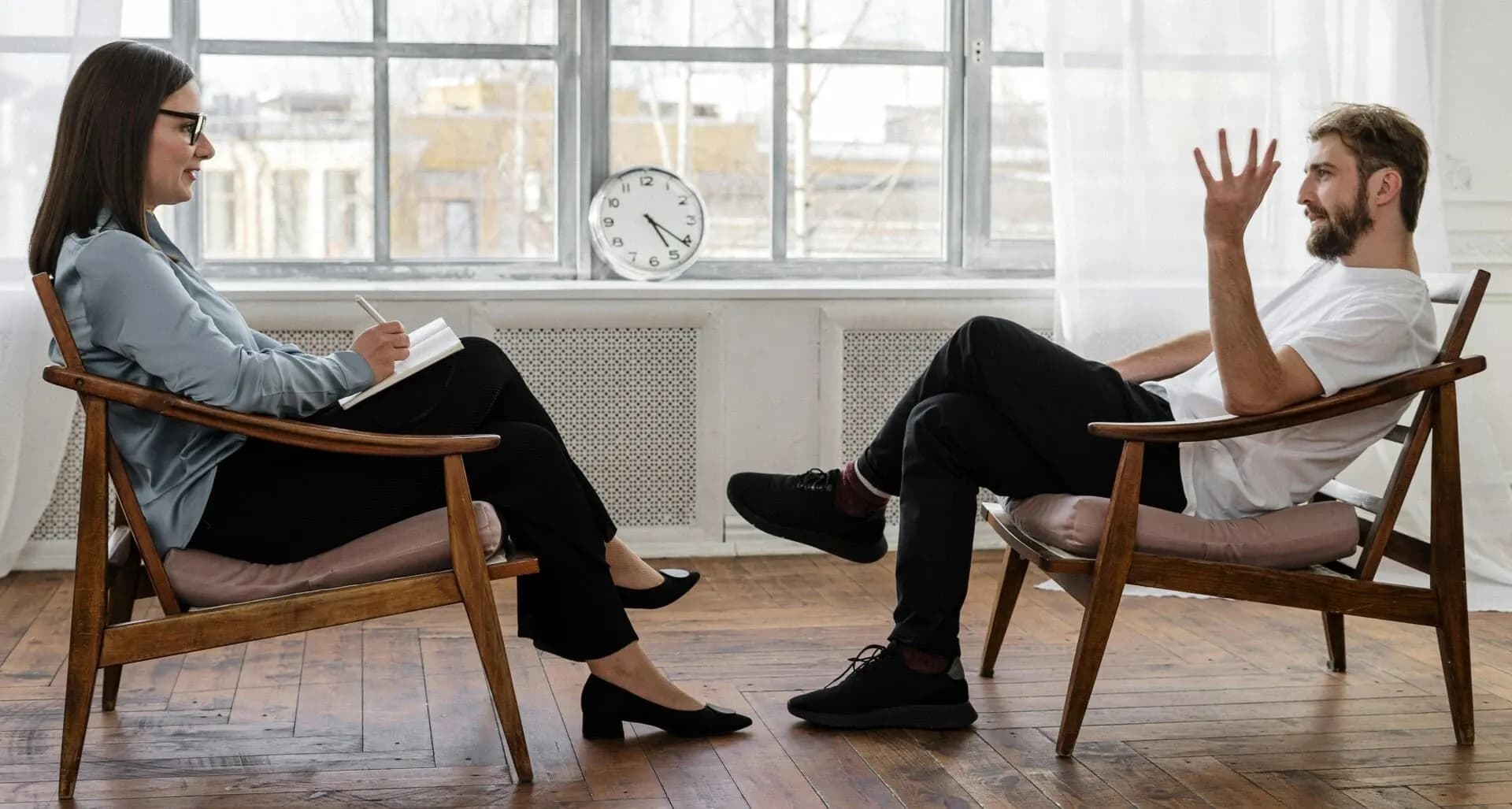
Taking the first step to speak with a counsellor can feel like a huge hurdle. You might worry about what to say, whether you'll be judged, or if it will even help. These feelings are completely normal. The uncertainty of a first session, especially an online one, can be nerve-wracking. This guide is here to demystify the process, walking you through what really happens when you connect with a counsellor online, so you can feel more prepared and less anxious about reaching out for support.
Preparing for Your First Online Session
Unlike an in-person appointment, online counselling requires a little bit of setup on your end to ensure the session is smooth and productive. Think of it in two parts: your environment and your mindset.
First, find a space where you won’t be interrupted. This should be a private room where you can speak freely without worrying about being overheard. Using headphones can enhance privacy and help you focus on the conversation. Also, check your internet connection beforehand. A stable connection for a chat or audio call prevents frustrating disruptions. Make sure your device is charged or plugged in.
Second, consider your mindset. It’s helpful to think briefly about what’s prompting you to seek counselling now, but don't feel you need a perfect, rehearsed speech. It’s okay to simply say, “I’m not sure where to start, but things have been difficult.” A counsellor’s job is to help you navigate the conversation. The only expectation is that you show up with an openness to the process.
What Actually Happens in the Conversation?
The first session is primarily about getting to know each other. It’s a two-way street: the counsellor is learning about you, and you’re getting a feel for their approach. It generally follows a simple structure.
- Introductions and Housekeeping: The counsellor will start by introducing themselves and explaining the basics, such as confidentiality. They will assure you that what you discuss is private and create a safe space for you to share.
- Understanding Your Story: The core of the session involves you sharing what brought you here. The counsellor will ask open-ended questions like, “What’s been on your mind lately?” or “Can you tell me a bit about what led you to seek support today?” This isn't an interrogation. They will listen actively, ask clarifying questions, and guide the conversation gently to understand the context of your challenges. You are in control of how much you share.
- Exploring the Background: To get a fuller picture, they might ask about the history of the issue, your relationship dynamics, and what solutions you may have already tried. This helps them understand patterns and contributing factors.
- Discussing Goals: Towards the end of the conversation, the focus may shift to what you hope to achieve. Your goal might be specific, like “We want to stop arguing every night,” or more general, like “I want to feel less anxious in my relationship.” Defining even a small, initial goal gives your work together a direction.
Common Misconceptions About Counselling
Many people avoid therapy because of myths about what it entails. It’s important to know what a counsellor won’t do.
- They won’t judge you or take sides. A professional counsellor’s role is to remain neutral and empathetic. In couples counselling, their focus is on the health of the relationship and the communication patterns between partners, not on deciding who is “right” or “wrong.”
- They won’t give you direct advice. A counsellor won’t tell you to end your relationship, quit your job, or make other major life decisions for you. Instead, they provide tools, perspective, and support to help you gain clarity and make choices that feel right for you.
- They won’t have a magic solution. The first session is the beginning of a process. It’s about building a foundation of trust and understanding. Real change takes time and effort, both within and outside of the sessions.
Is Online Counselling the Right Fit for You?
Online platforms offer incredible convenience, making it easier than ever to access support. It’s a great option if you have a busy schedule, live in an area with few local therapists, or simply feel more comfortable talking from your own home. For many relationship and communication issues, it’s a highly effective format.
However, it’s not suitable for every situation. If you are in a crisis, experiencing thoughts of self-harm, or are in a situation involving domestic violence, online counselling is not a substitute for emergency services. The format is also not typically equipped to handle severe mental health conditions that may require in-person psychiatric assessment and a coordinated care team.
Disclaimer: If you are in immediate danger or experiencing a mental health crisis, please contact local emergency services or a dedicated crisis helpline. DilTalks is not a crisis intervention service.
Frequently Asked Questions
How long is a typical session? Since DilTalks operates on a per-minute basis (Rs 11/min), you have flexibility. However, for a first session, it's often helpful to plan for at least 45 to 60 minutes. This gives you enough time to cover the introductions, discuss your primary concerns without feeling rushed, and establish a connection with the counsellor.
How much will it cost? The cost is directly tied to the duration of your session. At Rs 11 per minute, a 45-minute session would cost Rs 495. This transparent pricing allows you to control the cost and use the service as it fits your budget.
What if I don't feel a connection with the counsellor? This is a valid and important concern. The therapeutic relationship—the sense of trust and rapport you build—is a key part of what makes counselling effective. It's perfectly okay if you don't feel a strong connection with the first person you speak to. At DilTalks, you have the option to connect with our other in-house counsellors, like Usha, Pratibha Jangra, or Deepshikha, to find the right fit for you.
Is what I say really confidential? Yes. Confidentiality is a cornerstone of professional counselling. Your counsellor is ethically and professionally bound to keep your conversations private. The only exceptions are legal and ethical requirements to break confidentiality if there is a risk of serious harm to yourself or others.
Starting counselling is an act of self-care and a commitment to improving your relationships and well-being. The first session isn't a test; it's simply a conversation. It's a chance to be heard in a safe, non-judgmental space and to take the first step towards clarity and change.
If you're ready to start that conversation, our counsellors are here to listen. Book your appointment here.
